Is Your Building Ready for the Heating Season?

As temperatures start to drop across the UK, commercial property managers and facilities teams face an important question: is your building prepared for the heating season? Efficient heating is about more than just comfort - it’s about keeping operating costs under control, ensuring compliance, and protecting the wellbeing of staff, tenants, and visitors.
Here are some key building maintenance and HVAC optimisation steps to take before the cold weather sets in:
1. Schedule Preventive Maintenance
Heating systems work hardest in autumn and winter. Before they’re pushed to peak demand, have a qualified engineer carry out a full service. Regular maintenance helps identify issues like worn parts, blocked filters, or leaks before they turn into costly breakdowns.
Tip: For UK commercial buildings, a planned preventative maintenance (PPM) schedule is not only best practice but can also help demonstrate compliance with regulations and warranties.
2. Check and Calibrate Controls
Building Management Systems (BMS) and thermostats should be inspected to ensure they’re set correctly. Poor calibration can cause systems to overheat or run unnecessarily, wasting energy and money.
Tip: Review your time schedules - many buildings still operate on outdated heating schedules that don’t match occupancy patterns.
3. Optimise HVAC Settings
Efficient HVAC operation is about balance. Make sure heating systems, ventilation, and air circulation are working together effectively.
Tip: Consider adjusting setpoints, using weather compensation controls, and zoning spaces to reduce heating in low-use areas.
4. Inspect Insulation and Pipework
Heat loss through poorly insulated pipework and plant rooms can significantly raise energy bills. Check lagging on pipes, insulation on valves, and seals on ductwork.
Tip: Small investments in insulation upgrades can provide a fast payback through energy savings.
5. Monitor Indoor Air Quality (IAQ)
Balancing warmth with healthy air quality is essential. Ensure filters are replaced, ventilation rates are adequate, and CO2 levels are monitored. Poor IAQ can lead to health complaints and reduced productivity.
Tip: Ventilation doesn’t have to mean heat loss - energy recovery systems can recover heat from exhaust air.
6. Plan for Emergency Callouts
Even with good preparation, heating failures can happen. Make sure you have a reliable service partner who offers 24/7 emergency callouts and fast response times.
Tip: Keep a record of service contacts and system documentation easily accessible for your site teams.
Think Beyond This Winter
Heating optimisation is not just a seasonal task. Use the heating season as an opportunity to gather data on energy use, comfort levels, and maintenance needs. This insight can inform longer-term upgrades such as high-efficiency boilers, heat pumps, or smart building controls which can make significant energy savings and reduce carbon emissions.
Preparing your building for the heating season isn’t just about preventing problems - it’s about maximising performance, cutting costs, and ensuring a safe, comfortable environment for everyone. By carrying out essential maintenance, fine-tuning HVAC systems, and planning ahead, facilities managers can make sure their buildings are ready to face the colder months with confidence.
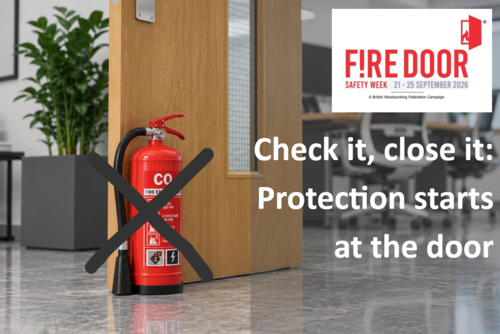
Fire Door Safety Week highlights worrying generational gaps in fire door awareness
Read More
Evotech Technical Services Achieves Prestigious CIBSE Endorsed Organisation Status
Read More
UKGBC calls for greater focus on climate resilience across non-domestic buildings
Read More
Choosing the right green building certification (updated)
Read More